
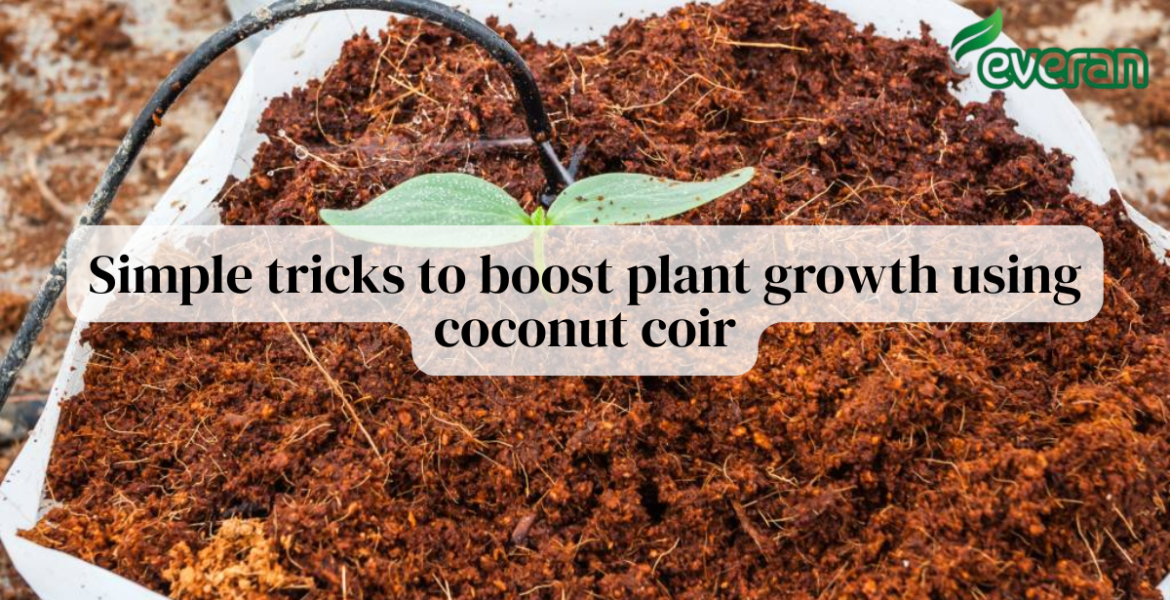
Gardeners across the USA are increasingly turning to coconut coir as a reliable, eco-friendly alternative to soil. Whether you grow vegetables in raised beds, containers, grow bags, or hydroponic systems, coconut coir can significantly improve plant health when used correctly. While coir is easy to work with, a few simple tricks can help you get the best results and boost plant growth naturally.
Start with the Right Coco Coir Mix
Coconut coir works best when it’s not used alone. Mixing coir with perlite, vermiculite, or compost improves drainage and aeration. A common and effective mix is 70% coco coir and 30% perlite, especially for vegetables and herbs. This blend allows roots to breathe while still holding enough moisture for consistent growth.
For raised beds or outdoor containers, adding compost to coco coir helps introduce organic matter while keeping the soil light and fluffy.
Pre-Buffer Your Coco Coir
One of the most important tricks many gardeners overlook is buffering coco coir before planting. Coconut coir naturally contains salts and can bind calcium and magnesium, which plants need for healthy growth.
Before use, soak the coir in water mixed with a calcium-magnesium (Cal-Mag) supplement. This simple step prevents nutrient lockout and helps plants establish stronger roots, especially in hydroponic and container gardens.
Water Smart, Not More
Coco coir holds water much better than traditional soil. Overwatering is a common mistake, especially for beginners. Instead of watering on a schedule, check the moisture level by feeling the growing medium.
The top layer can dry slightly between waterings, but the root zone should stay evenly moist. This balance encourages roots to grow deeper and stronger rather than staying near the surface.
Feed Plants Regularly
Unlike soil, coconut coir contains no natural nutrients, so feeding is essential. Use a balanced fertilizer suitable for coco coir or hydroponic systems. Many gardeners in the USA prefer liquid nutrients because they’re easy to control and adjust.
Start with light feeding and gradually increase as plants grow. Consistent feeding helps plants develop faster, greener foliage and better yields.
Maintain the Right pH
Coconut coir naturally sits in a plant-friendly pH range of about 5.5 to 6.8, but watering and fertilizers can cause fluctuations. Testing the pH of your nutrient solution and runoff helps prevent nutrient deficiencies.
For most vegetables, keeping the pH between 5.8 and 6.2 works well. This small habit can make a big difference in how efficiently plants absorb nutrients.
Improve Aeration for Faster Growth
Healthy roots need oxygen. Loosely filling pots or grow bags with coco coir instead of compacting it improves airflow. For even better results, choose grow bags or containers with good drainage holes.
This extra aeration reduces root diseases and encourages faster, healthier growth—especially in warm climates common across many parts of the USA.
Reuse Coco Coir the Right Way
Coconut coir can be reused for multiple growing cycles if properly refreshed. After harvest, remove old roots, rinse the coir to remove salt buildup, and recharge it with fresh nutrients or compost. This not only saves money but also supports sustainable gardening practices.
Final Thoughts
Coconut coir is one of the most versatile growing mediums available today. By using the right mix, buffering properly, managing water and nutrients, and maintaining good aeration, gardeners can dramatically boost plant growth with minimal effort. Whether you’re growing vegetables at home or managing a larger setup, these simple tricks will help you get the most out of coconut coir—naturally and sustainably.


