
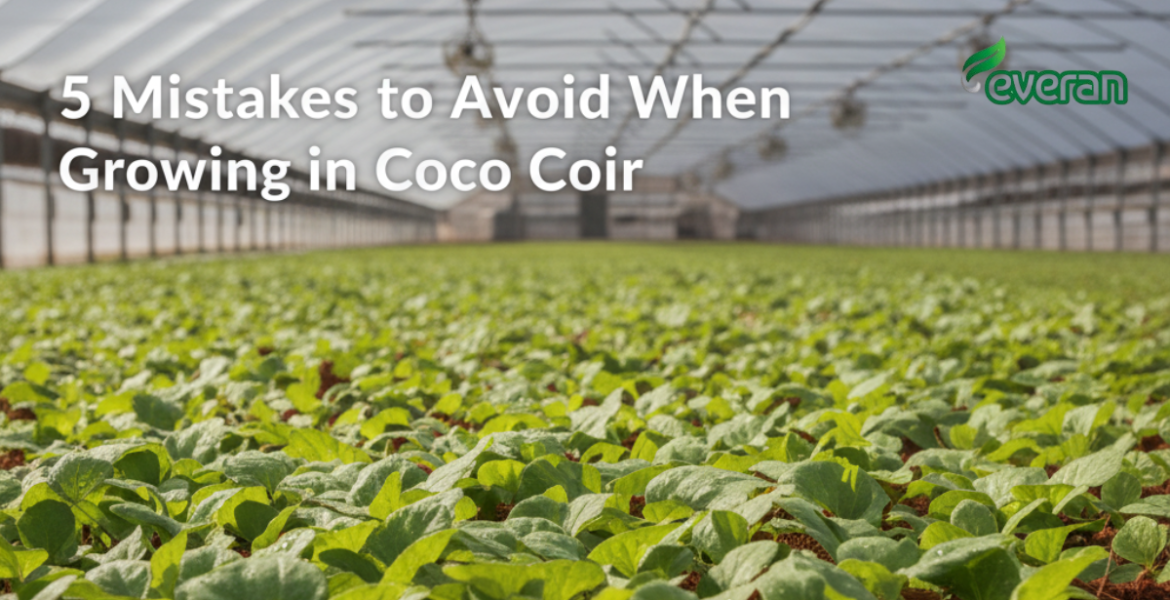
Coco coir has become one of the most popular growing mediums among home gardeners and professional growers in the USA — and for good reason. It’s renewable, eco-friendly, and offers excellent water retention and aeration. Whether you’re growing vegetables, flowers, or hydroponic crops, coco coir can give your plants a strong, healthy start.
But even the best growing medium needs proper handling. Many gardeners unknowingly make small mistakes that lead to poor growth, nutrient issues, or waterlogging. Let’s explore the five most common mistakes to avoid when growing in coco coir — and learn how to grow in Coco and get the best results from this amazing material.
🌱 Mistake #1: Not Buffering or Washing Coco Coir Properly
One of the biggest mistakes beginners make is using unwashed or unbuffered coco coir straight out of the bag. Raw coco coir can contain salts and naturally occurring minerals like potassium and sodium that interfere with nutrient absorption.
Fix:
Always choose pre-washed and buffered coco coir from a trusted supplier, such as Factory’s Depot. If you’re reusing coco coir, rinse it thoroughly with clean water and soak it in a light calcium-magnesium solution to remove excess salts. This step ensures your plants can easily absorb essential nutrients without competition from unwanted minerals.
💧 Mistake #2: Overwatering or Poor Drainage
Coco coir holds water extremely well — which is great — but it can also cause problems if you overwater. Many gardeners treat coco coir like regular soil, keeping it constantly soaked, which can suffocate roots and lead to root rot.
Fix:
Treat coco coir more like hydroponic media than soil. Water only when the top layer begins to dry out slightly. Make sure your containers have excellent drainage. Coco coir works best when it stays moist, not soggy. You can even mix in perlite or coco chips to improve airflow around the roots.
🌾 Mistake #3: Skipping Nutrients
Coco coir is an inert medium, meaning it doesn’t naturally contain nutrients like soil does. Some beginners assume their plants will grow fine without feeding — but they soon notice yellowing leaves and slow growth.
Fix:
Feed your plants with a balanced nutrient solution designed for coco coir or hydroponics. Look for one that includes calcium, magnesium, and trace minerals. For consistent results, maintain your pH between 5.8 and 6.2, which is ideal for nutrient uptake in coco coir systems.
🌞 Mistake #4: Not Checking pH Regularly
Coco coir tends to stay near neutral pH, but nutrient solutions and water sources can shift that balance over time. If the pH gets too high or too low, your plants can’t absorb nutrients effectively — even if you’re feeding correctly.
Fix:
Regularly test the pH of both your water and the runoff from your pots. Adjust with pH-up or pH-down solutions as needed. Keeping a simple digital pH meter handy can make a huge difference in maintaining healthy, thriving plants.
🌿 Mistake #5: Reusing Coco Coir Without Proper Treatment
Reusing coco coir can save money and reduce waste, but only if done correctly. Old coco coir can contain leftover salts, dead roots, and pathogens that can harm new plants.
Fix:
After each grow cycle, break down the old coco coir, remove any roots, and rinse it thoroughly. Soak it in a calcium-magnesium solution before reusing. You can also mix it with a portion of fresh coco coir for best results.
If you’re not sure how to reuse it safely, it’s better to start fresh with premium coco coir products from Factory’s Depot, ensuring consistent quality and healthier plants.
🌻 Final Thoughts
Growing with coco coir is one of the best ways to garden sustainably while maintaining strong, productive plants. By avoiding these common mistakes — and choosing high-quality, pre-buffered coco coir — you’ll set yourself up for gardening success.
At Factory’s Depot, we supply premium-grade coco coir products trusted by gardeners and growers across the USA. Whether you’re setting up raised beds, hydroponics, or indoor gardens, our coco coir helps you grow greener, healthier plants naturally.


